
 Sales: 01943 660870


Japanese Blue Wisteria
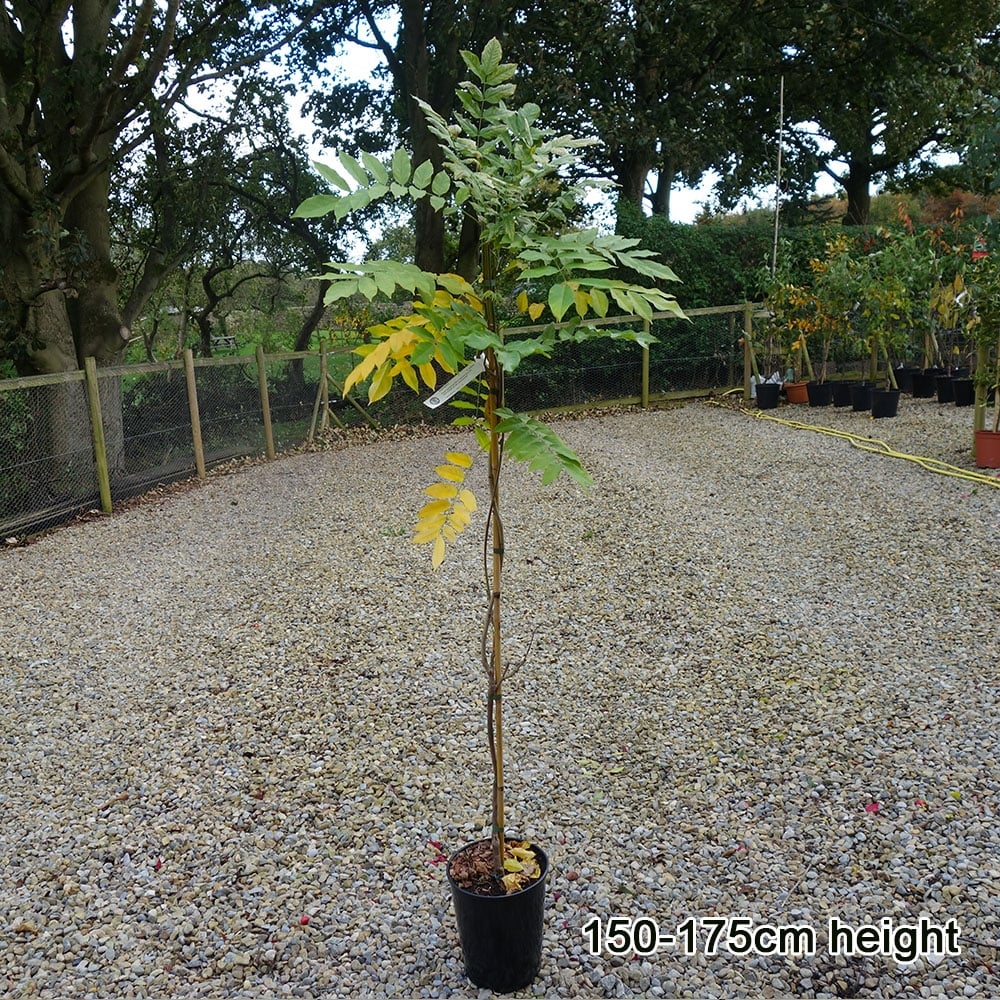
Climber, 150-180cm, 7.5L pot
Despatched within 7 days


Description
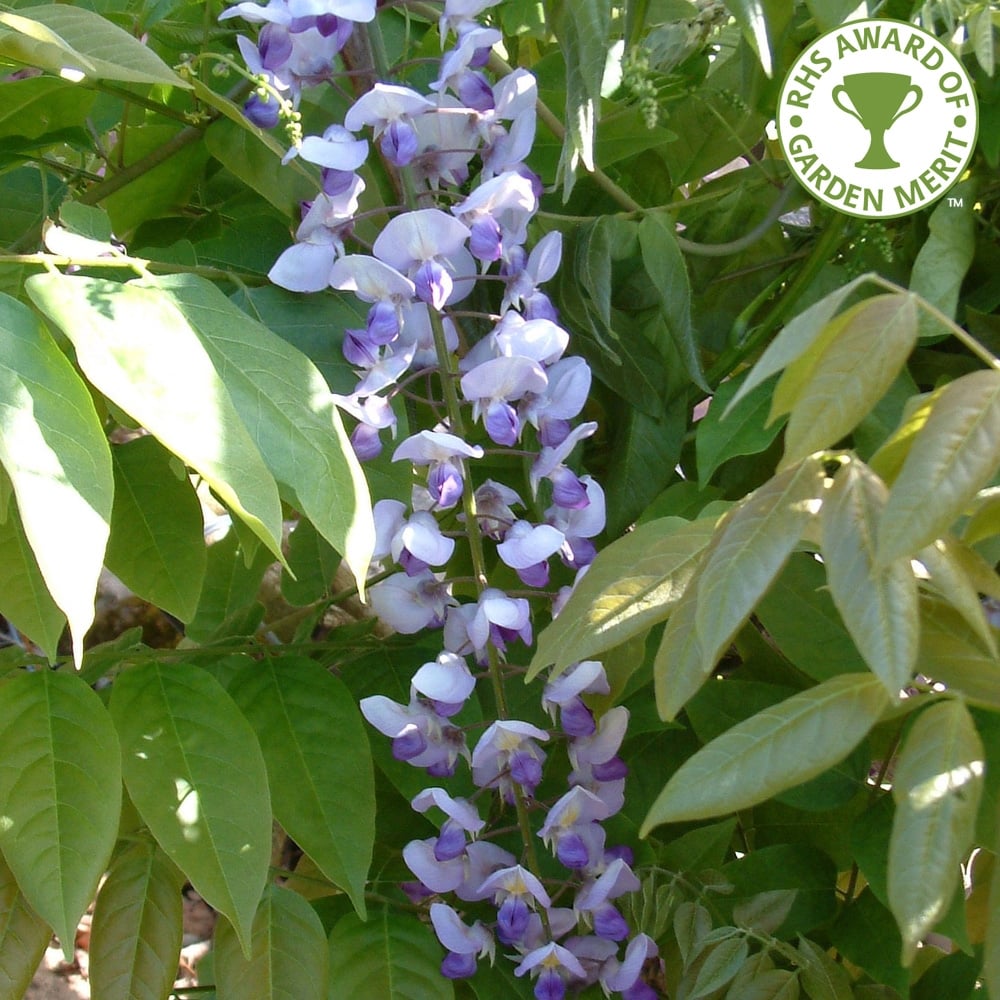
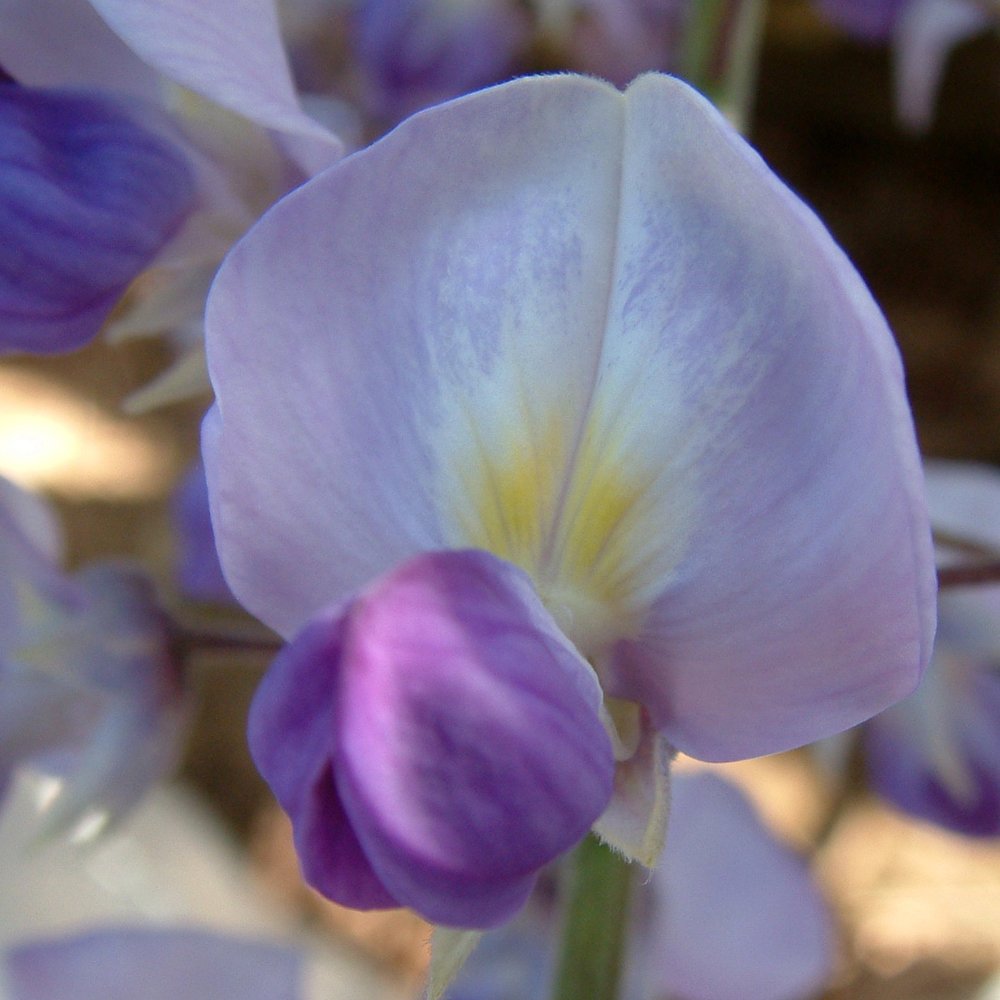
Wisteria floribunda 'Burford' produces the most outstanding, 40cm long, drooping racemes of violet and soft purple-blue, pea-like flowers with yellow throats in May-June. The flowers are highly scented and popular with bees and other insects. Wisteria 'Burford' also has bright green foliage that emerges bronzed in spring and turns yellow in the autumn.
A climbing Wisteria plant, it will grow to 7 x 4 metres in 20 years and is ideal for growing over a pergola or against a sunny wall. Any free draining soil will suit and full or partial sun is ideal but shade will be tolerated. This Japanese Blue Wisteria is a lovely, twining plant that is popular with wildlife.
All our Wisteria are grafted (rather than cuttings) so ought to flower earlier.
AKA Burford Wisteria, Japanese Blue Wisteria, Blue Climbing Wisteria tree
MAINLAND UK — excluding remote locations
Small trees & shrubs*: £12 for 1 or more
Larger shrubs & mature Japanese Maples: £35 for 1 or more
Mature, Pleached, Hedging & Specialist Trees: £65 for 1 or more
REMOTE UK LOCATIONS — including Scottish Highlands & Islands
Small trees & shrubs*: £35 for 1 or more
Larger shrubs & mature Japanese Maples: £65 for 1 or more
Mature, Pleached, Hedging & Specialist Trees: £120 for 1 or more
*Small trees & shrubs are typically supplied in pots up to 15 litres.
Additional remote-location surcharges may apply.
Unfortunately, we are not able to make delivery of live plants to Northern Ireland or any countries outside of the UK.
Product Details
Description
Wisteria floribunda 'Burford' produces the most outstanding, 40cm long, drooping racemes of violet and soft purple-blue, pea-like flowers with yellow throats in May-June. The flowers are highly scented and popular with bees and other insects....
Wisteria floribunda 'Burford' produces the most outstanding, 40cm long, drooping racemes of violet and soft purple-blue, pea-like flowers with yellow throats in May-June. The flowers are highly scented and popular with bees and other insects. Wisteria 'Burford' also has bright green foliage that emerges bronzed in spring and turns yellow in the autumn.
A climbing Wisteria plant, it will grow to 7 x 4 metres in 20 years and is ideal for growing over a pergola or against a sunny wall. Any free draining soil will suit and full or partial sun is ideal but shade will be tolerated. This Japanese Blue Wisteria is a lovely, twining plant that is popular with wildlife.
All our Wisteria are grafted (rather than cuttings) so ought to flower earlier.
AKA Burford Wisteria, Japanese Blue Wisteria, Blue Climbing Wisteria tree
Planting & Care
Delivery Information
MAINLAND UK — excluding remote locations
Small trees & shrubs*: £12 for 1 or more
Larger shrubs & mature Japanese Maples: £35 for 1 or more
Mature, Pleached, Hedging & Specialist Trees: £65 for 1 or more
REMOTE UK LOCATIONS — including Scottish Highlands & Islands
Small trees & shrubs*: £35 for 1 or more
Larger shrubs & mature Japanese Maples: £65 for 1 or more
Mature, Pleached, Hedging & Specialist Trees: £120 for 1 or more
*Small trees & shrubs are typically supplied in pots up to 15 litres.
Additional remote-location surcharges may apply.
Unfortunately, we are not able to make delivery of live plants to Northern Ireland or any countries outside of the UK.
MORE TO GROW YOUR GARDEN
Perfect Pairings

 Award Winner
Wisteria sinensis 'Prolific' Tree
Chinese Blue Wisteria
Climber, 50-80cm, 3L pot

Wisteria floribunda 'Black Dragon' Tree
Kokuryū Double Purple Wisteria
Climber, 50-80cm, 3L pot
 Award Winner
Why Choose Ornamental Trees?

Quality Plants, Guaranteed
We only send out plants we’d be happy to receive ourselves. Enjoy peace of mind with our 12-month plant guarantee.

Friendly, Expert Advice
With over 20 years’ horticultural experience, our friendly, knowledgeable team is here to help every step of the way.
Diverse Range of Structural Planting
From specimen trees to living screens, our range offers over 1,000 plant varieties and a wide choice of sizes.
Don't just take our word for it - See what our customers are saying