
 Sales: 01943 660870


Limelight Apple Tree
Limelight Apple Tree
Eating & Juicing Apple
Key Features
> View full description > View full description


Limelight Apple Tree
Eating & Juicing Apple


Description
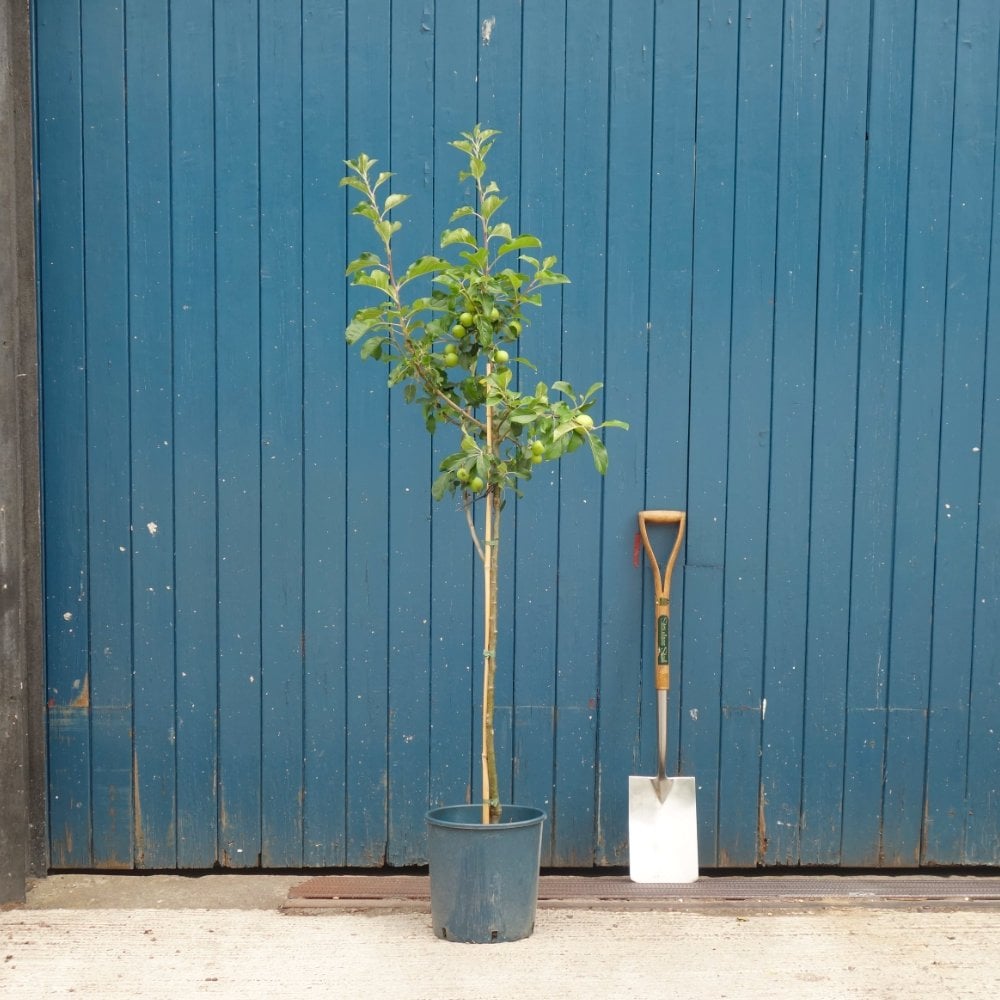
Limelight apple trees produce juicy, crisp-fleshed apples with a delicious, slightly sharp flavour. They are an attractive eating apple with bright lime-green skin which hints at the refreshing, tangy flavour beneath.
It is heavy-cropping, producing an abundance of apples when conditions are good. They are ready to pick in the latter half of September (mid-season) and can be stored for around a month or turned into juice.
Limelight apple trees have excellent disease resistance and are an easy to grow addition to the garden or allotment. It is in pollination group C and requires a suitable pollination partner within a half mile radius. A cross between Greensleeves and Discovery, Malus domestica 'Limelight' was bred in Kent around 2000.
| Small shrubs (1-3) | Young trees & 4+ small shrubs | Select semi-mature trees & shrubs (1-4) | All other mature trees (any quantity) | |
|---|---|---|---|---|
| Mainland UK ex. Scottish Highlands | £12 | £12 | £35 | from £60 |
| Scottish Highlands & the Islands | From £30 | |||
| Outside Mainland UK | Currently we are unable to deliver outside of Mainland UK | |||
Product Details
Description
Limelight apple trees produce juicy, crisp-fleshed apples with a delicious, slightly sharp flavour. They are an attractive eating apple with bright lime-green skin which hints at the refreshing, tangy flavour beneath. It is heavy-cropping, producing...
Limelight apple trees produce juicy, crisp-fleshed apples with a delicious, slightly sharp flavour. They are an attractive eating apple with bright lime-green skin which hints at the refreshing, tangy flavour beneath.
It is heavy-cropping, producing an abundance of apples when conditions are good. They are ready to pick in the latter half of September (mid-season) and can be stored for around a month or turned into juice.
Limelight apple trees have excellent disease resistance and are an easy to grow addition to the garden or allotment. It is in pollination group C and requires a suitable pollination partner within a half mile radius. A cross between Greensleeves and Discovery, Malus domestica 'Limelight' was bred in Kent around 2000.
Planting & Care
Delivery Information
| Small shrubs (1-3) | Young trees & 4+ small shrubs | Select semi-mature trees & shrubs (1-4) | All other mature trees (any quantity) | |
|---|---|---|---|---|
| Mainland UK ex. Scottish Highlands | £12 | £12 | £35 | from £60 |
| Scottish Highlands & the Islands | From £30 | |||
| Outside Mainland UK | Currently we are unable to deliver outside of Mainland UK | |||
MORE TO GROW YOUR GARDEN
Perfect Pairings


